

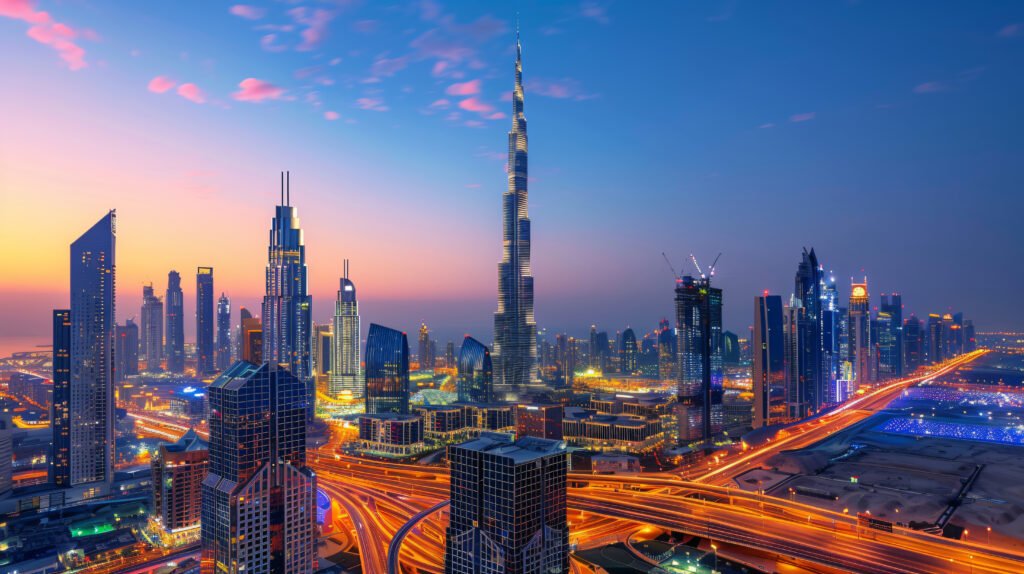
Dubai has become a global magnet for investors. With its tax-friendly environment, booming economy, and access to international markets, the city is no longer just a tourist destination; it’s a place where money grows.
If you’ve been wondering how to start investing in Dubai, this guide will walk you through everything you need to know, step by step.
What Makes Dubai Ideal for Investment?
Dubai is often seen as a safe yet rewarding place for international investors. Here’s why it stands out:
Tax-Free Advantage:
The UAE has no personal income or capital gains tax, meaning you get to keep more of your profits. This policy makes the city particularly appealing for investors who want to maximize returns without worrying about high tax burdens.
High Rental Yields:
Real estate in Dubai consistently delivers strong rental returns, often outperforming other major global cities like London or New York. With yields averaging 5–8%, investors can generate a stable income stream while holding onto appreciating assets.
Stability:
Dubai’s political and economic stability creates a safe environment for foreign investors. The government actively promotes growth and innovation while maintaining security, making it a reliable place to park your money long-term.
Global Connectivity:
Positioned between Asia, Europe, and Africa, Dubai offers unmatched access to international markets. Its world-class infrastructure and transport networks make it a gateway for trade and investment across three continents.
Start Investing in Dubai–Step-by-Step Guide
Step 1: Understand What You Can Invest In
Dubai offers a wide variety of investment opportunities. Choosing the right option depends on your budget, risk appetite, and long-term goals.
Stock Market
Dubai’s financial markets, such as the Dubai Financial Market (DFM) and NASDAQ Dubai, list companies across banking, real estate, logistics, and telecommunications. Including such assets within a diversified SIPP portfolio allows investors to balance risk while aiming for steady growth over time.
By using an international SIPP (Self-invested Personal Pension), investors can hold stocks as part of a tax-efficient structure that supports both diversification and long-term wealth building.
It gives international investors access to stocks and shares as part of their long-term retirement strategy. This can include individual company stocks, exchange-traded funds, or broader market funds that provide exposure to both Dubai-listed companies and global markets.
Real Estate
Real estate is one of the most popular entry points for investors. Freehold zones allow full ownership for foreigners.
- Residential Properties:
Apartments, villas, and townhouses are in high demand due to Dubai’s growing expat community and business-friendly environment. Investors can expect consistent rental income and long-term capital appreciation.
- Commercial Properties:
Offices, retail shops, and warehouses are highly sought after as more international companies set up operations in Dubai. These investments often provide higher returns than residential properties, especially in key business districts.
- Short-Term Rentals:
The tourism industry in Dubai is thriving, with millions of visitors each year. Investing in properties for vacation rentals can be especially lucrative, as platforms like Airbnb allow owners to capitalize on short stays with premium rates.
Bonds & Sukuk (Islamic Bonds)
For investors seeking stability, bonds and Sukuk are attractive. Government-issued bonds are considered low-risk, while corporate bonds may offer higher yields. Sukuk, in particular, are structured to comply with Islamic law, making them a preferred option for Shariah-conscious investors.
Funds & ETFs
Mutual funds and ETFs allow investors to diversify without actively managing individual assets.
- Mutual Funds
These funds bring money from multiple investors to create a diversified portfolio managed by professionals.
- ETFs
Exchange-traded funds are listed on stock exchanges and can track indexes, sectors, or commodities. They provide low-cost, flexible access to global and regional markets.
Gold & Commodities
Dubai’s reputation as the “City of Gold” is well-earned.
- Physical Gold
You can buy bullion, coins, or jewelry from trusted dealers or Dubai’s famous Gold Souk.
- Commodity Trading
The city is also a hub for oil, gas, and other raw materials. Investors can access these markets directly or through commodity-focused ETFs.
6. Startups & SMEs
Dubai’s entrepreneurial ecosystem is rapidly expanding, supported by government-backed free zones and incubators.
- Angel Investing
Individuals can back promising startups, often in tech or e-commerce sectors.
- Venture Capital
Institutional investors and funds support high-growth SMEs, offering potentially large returns with higher risks.
Step 2: Learn the Legal Framework
Foreign investors enjoy a supportive legal environment in Dubai, but it’s essential to know the rules:
Freehold Ownership
Foreigners can own property outright in designated freehold zones, offering security and flexibility.
Investor Visa
Real estate investments starting from AED 750,000 can qualify you for residency, which makes it easier to manage your assets in person.
Licenses
If you want to start a business or invest in certain industries, you’ll need specific licenses from free zone authorities or mainland regulators.
Regulation
Bodies like the Dubai Land Department (DLD) and Dubai Financial Services Authority (DFSA) oversee compliance and protect investor rights.
Step 3: Decide on the Right Structure
How you invest in Dubai depends on your goals. Some common structures include:
Direct Ownership:
Ideal for investors who want to hold assets personally and have full control over them.
Company Setup:
Forming a company in a free zone allows investors to benefit from tax exemptions, full ownership, and the ability to sponsor employees.
Joint Ventures:
Partnering with locals or other investors can open doors to industries or opportunities not easily accessible alone.
Retirement Planning Tools:
International pension structures allow investors to include Dubai-based assets in long-term retirement planning.
Step 4: Choose Between Short-Term and Long-Term Investments
Your strategy depends on your financial objectives.
Short-Term Dubai Investments
Investors looking for quick gains often flip properties, trade actively in the stock market, or invest in short-term rental properties to capitalize on Dubai’s booming tourism.
Long-Term Dubai Investments
Those focused on stability may prefer holding real estate for appreciation, building a balanced portfolio of bonds and funds, or integrating Dubai-based assets into retirement planning.
Many investors combine both strategies to spread risk and maximize potential returns.
Common Mistakes to Avoid When Investing in Dubai
- Ignoring Market Regulations
Dubai’s stock exchanges, Dubai Financial Market (DFM) and NASDAQ Dubai, are regulated by the Dubai Financial Services Authority (DFSA). Many international investors fail to check the licensing of brokers or overlook compliance requirements, which can expose them to unnecessary risks.
Chasing High Returns Without Research
Some investors buy into stocks just because they are trending or showing short-term growth. Without analyzing company fundamentals, sector performance, or dividend history, this often leads to losses when markets adjust.
Ignoring Dividends
Dubai companies, especially in sectors like banking and telecoms, are known for paying healthy dividends. Investors who focus only on capital gains overlook a steady income stream that can offset market volatility.
Neglecting International Tax Obligations
Even though Dubai is tax-free, some home countries tax worldwide income or require disclosure of foreign assets. Not reporting stock dividends or gains can create legal trouble back home.
Not Having a Clear Investment Strategy
Some investors enter Dubai’s markets without a plan, engaging in day trading without experience, or holding long-term positions without monitoring their performance. A lack of clarity often results in emotional decisions and unnecessary losses. Working with experienced advisors, like the team at Sentinel, can help you create a structured, low-risk plan that aligns with your financial goals.
FAQs About Investing in Dubai
1. Can foreigners buy property in Dubai?
Yes. Foreigners are allowed to buy property in designated freehold areas, which means they can own the property outright rather than leasing it. Ownership rights are fully protected under Dubai’s property laws, giving international investors the same legal protections as local buyers.
2. Is Dubai tax-free for investors?
Yes. Dubai does not impose personal income tax or capital gains tax on investors. This makes it one of the most tax-efficient locations to invest in real estate, stocks, or other assets. While there are transaction-related fees such as registration and brokerage costs, the absence of ongoing income tax makes returns more attractive.
3. How much do I need to invest to get a visa?
You need to invest at least AED 750,000 in property to qualify for an investor visa in Dubai. The exact requirements may differ based on the type of property or ownership structure, and higher-value investments can open eligibility for longer-term visas. This option allows investors to combine residency with their investment strategy.
4. Can I invest in Dubai without living there?
Yes. International investors can buy property, trade stocks, or hold other assets in Dubai without being residents. However, some steps, such as opening a local bank account or completing property registration, may require you to visit Dubai in person. Once these initial processes are done, most investments can be managed remotely.
Final Thoughts
Investing in Dubai is more than just buying property; it’s about gaining access to a thriving global hub. From stocks and startups to gold and real estate, Dubai offers something for every type of investor. The key is to educate yourself, understand the legal framework, and make strategic decisions that align with your long-term goals.
With professional guidance, you can avoid common mistakes and diversify your portfolio to gain stable returns on your Dubai investments.
